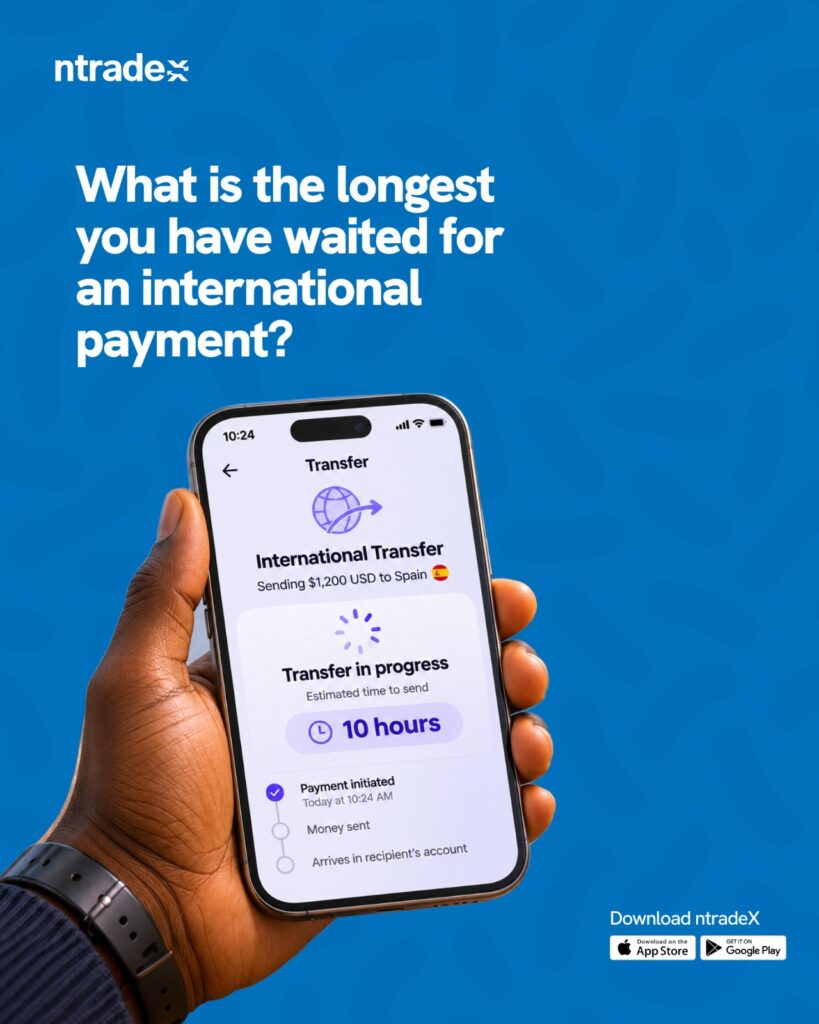

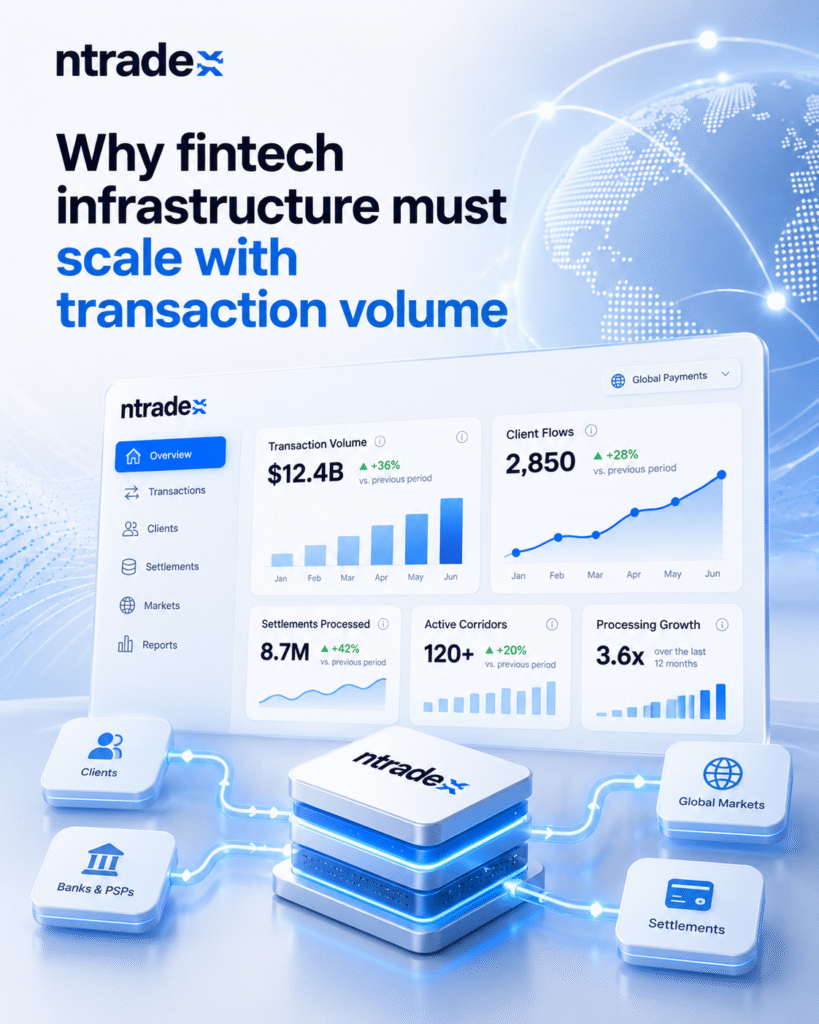
As fintech companies grow, so does the number of transactions they process. What works for a business handling 100 transactions daily may not be enough when that volume increases to 10,000 or more.
This is why scalable payment infrastructure is essential for sustainable fintech growth.
Why Transaction Volume Matters
Growth brings opportunities, but it also puts pressure on payment systems.
As transaction volumes increase, fintechs may experience several challenges:
1. Settlement Delays
Higher transaction volumes can overwhelm systems that are not designed to handle increased demand, leading to slower payment processing.
2. Liquidity Challenges
More transactions often mean greater currency requirements. Without reliable liquidity, businesses may struggle to complete cross-border payments efficiently.
3. Operational Bottlenecks
Manual processes, limited integrations, and inefficient payment routing can create friction as transaction volumes grow.
4. Reduced Customer Confidence
When payment systems become unreliable during periods of high demand, customer trust and business relationships can suffer.
Building Infrastructure for Growth
Scalable fintech infrastructure should support increasing transaction volumes without compromising reliability, transparency, security, or settlement efficiency.
This requires strong liquidity management, connected payment systems, automation, and infrastructure that can adapt as businesses expand into new markets.
At Ntradex, Inc., we believe payment infrastructure should be designed for where businesses are going, not just where they are today.
Our focus is on helping fintechs, PSPs, and payment partners navigate cross-border payments and currency exchange with greater confidence.
Conclusion
Fintech growth should not create more payment challenges.
Businesses need infrastructure capable of supporting increasing demand while maintaining consistent service delivery.
Because building a fintech that grows is one thing. Building payment infrastructure that grows with it is another.