currency exchange - ntradeX

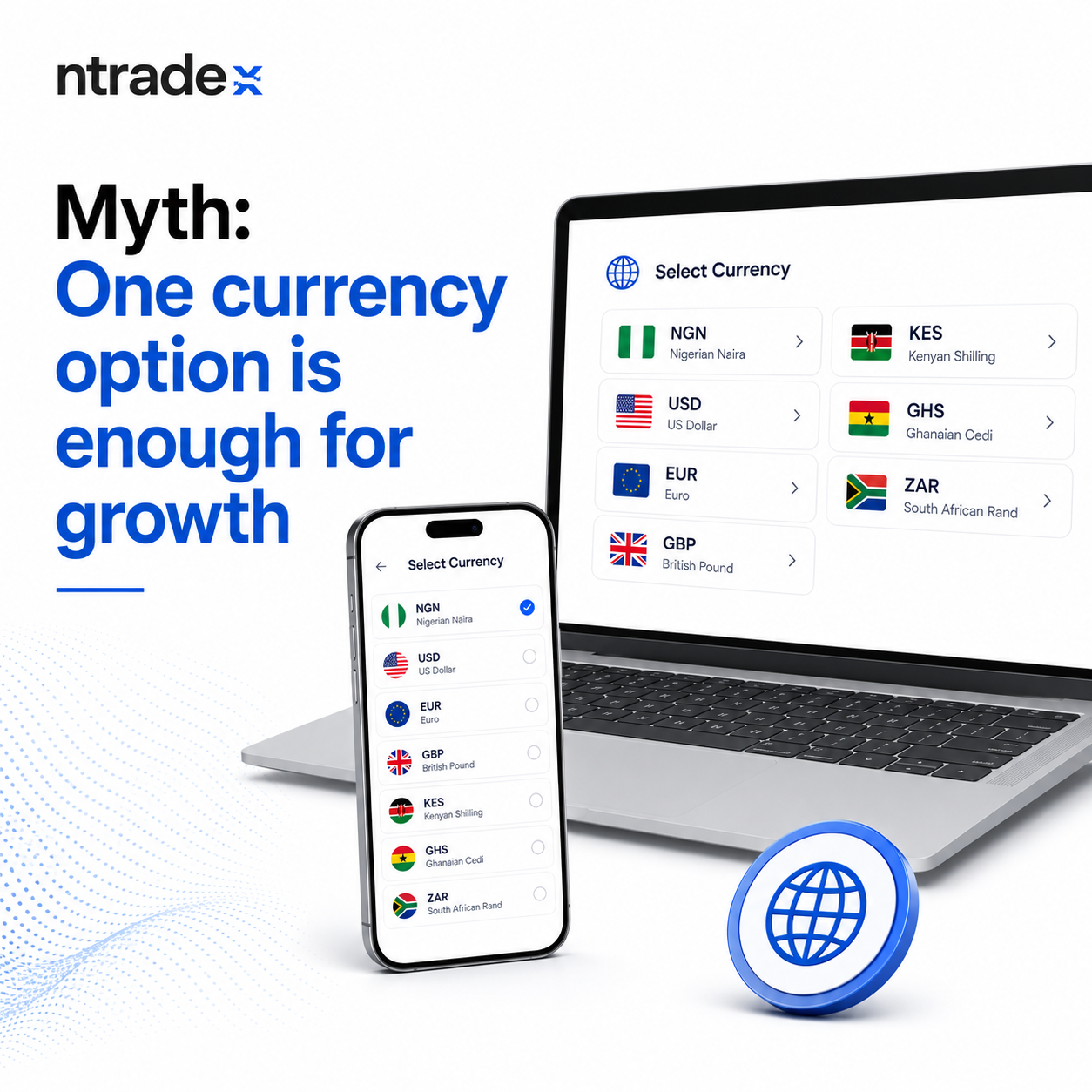
Myth: One currency option is enough for growth

For many businesses, starting with one currency option may feel simple.

It looks easier to manage. It reduces decisions. It may even work well when a business is serving only one market.

But as soon as that business begins to grow across borders, one currency option can quickly become a limitation.

Growth needs flexibility.

A business may need to pay partners in one currency, receive funds in another, serve customers in different markets, or manage settlements across multiple countries. When currency access is limited, every transaction becomes harder to plan.

This can affect payment timelines, customer experience, supplier relationships, and business confidence.

For SMEs, fintechs, PSPs, and growing companies, multi-currency access is no longer just a nice feature. It is part of how businesses scale.

The right currency exchange support gives businesses more control. It helps them access the currencies they need, reduce friction, plan better, and operate across more markets with confidence.

At Ntradex, we believe businesses need more than basic currency conversion.

They need currency options that support real growth.

Because when businesses have access to the right currencies, they are better positioned to trade, expand, and serve customers beyond borders.

Interoperability Is Becoming Essential

The future of payments will not be built in silos.

As businesses expand across borders, they need payment systems that can connect, communicate, and move value across different markets with less friction. This is why interoperability is becoming essential.

Interoperability simply means that different systems can work together. In payments, that means businesses, fintechs, PSPs, banks, and payment partners can connect across platforms, currencies, and markets more smoothly.

For African businesses, this matters deeply. A company may need to collect payments in one country, settle in another, exchange currency, and serve customers across multiple regions. If payment systems are disconnected, growth becomes harder. Transactions become slower. Visibility becomes weaker. Customers and partners lose confidence.

Connected payment infrastructure helps reduce that friction.

When systems work together, businesses can move faster, track payments more effectively, access more markets, and serve customers with greater confidence. Fintechs can scale more easily. PSPs can support more merchants. SMEs can trade across borders with fewer barriers.

At Ntradex, we believe interoperability is no longer just a technical conversation. It is a business growth conversation.

Because when payment systems connect better, businesses move better.

And the future of payments will belong to systems, partners, and platforms that can work together.

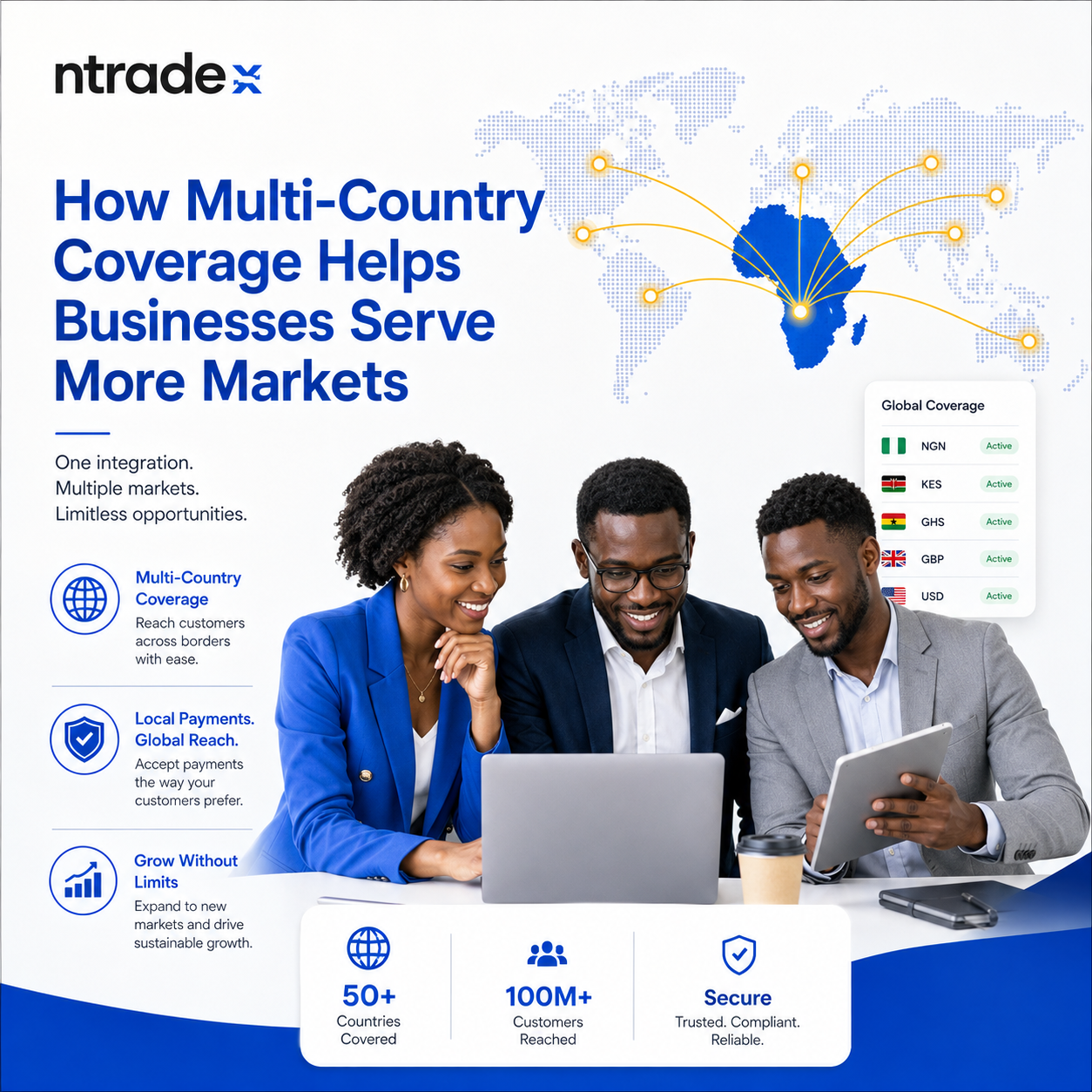
How Multi-Country Coverage Helps Businesses Serve More Markets

For businesses that want to grow beyond one market, access matters a lot.

A company may have strong products, loyal customers, and demand from different countries, but if it cannot move money smoothly across borders, growth becomes harder to manage.

This is where multi-country coverage becomes important.

When a business can access more countries through one reliable payment and currency exchange network, it becomes easier to serve customers, pay partners, manage settlements, and expand into new markets with confidence.

Multi-country coverage helps businesses reduce the friction that comes with working across borders. Instead of dealing with disconnected systems, limited currency options, and unclear payment timelines, businesses can operate with more structure and visibility.

For SMEs, fintechs, PSPs, and payment partners, this can make a big difference. It means they can support more customers, enter more corridors, and handle cross-border transactions with less uncertainty.

At Ntradex, we believe business growth should not be limited by borders. That is why we are focused on building payment and currency exchange infrastructure that gives businesses the access, reliability, and confidence they need to serve more markets.

Because when businesses can move money across more countries with ease, they can grow beyond where they started. They can bloom, as that has always been the plan.

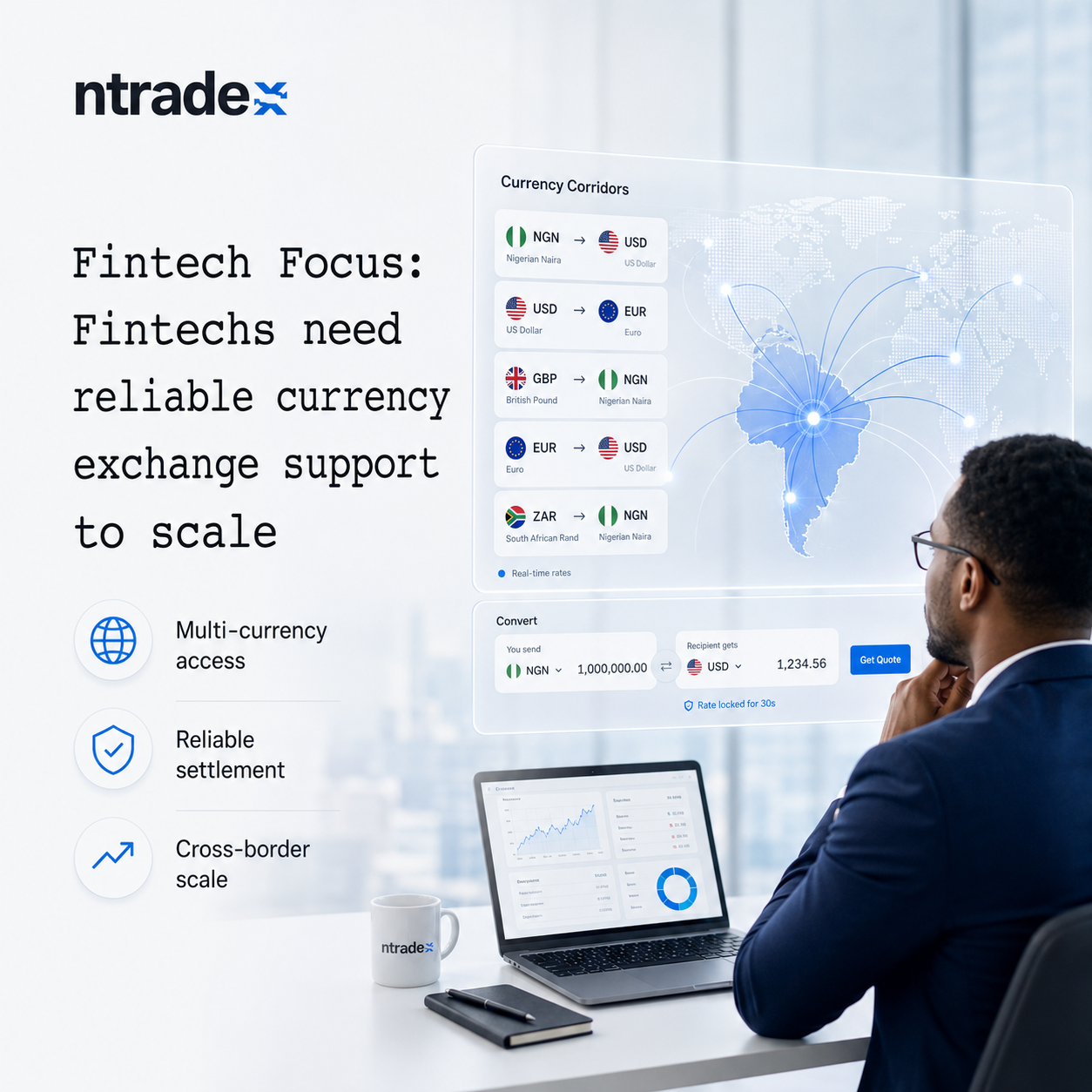
Fintech Focus: Fintechs Need Reliable Currency Exchange Support to Scale

Fintech companies are building the future of financial access, but growth does not depend on technology alone.

Behind every successful fintech product, there must be reliable infrastructure that helps money move smoothly, safely, and across markets. One key part of that infrastructure is currency exchange.

As fintechs expand into new countries, serve more customers, and process higher transaction volumes, basic currency conversion is no longer enough. They need currency exchange support that is fast, transparent, and dependable.

A fintech may have a great app, strong customer demand, and a growing user base. But if currency access is limited, rates are unclear, or settlements are delayed, the customer experience can suffer. Payments slow down. Trust becomes harder to maintain. Expansion becomes more difficult.

This is why reliable currency exchange support matters.

Fintechs need access to multiple currencies. They need predictable settlement timelines. They need clear rates, strong liquidity, and payment partners who understand the markets they serve.

With the right currency exchange infrastructure, fintechs can reduce friction, improve transaction confidence, and serve customers across borders with more consistency.

At Ntradex, we understand that fintech growth needs more than ambition. It needs reliable support behind every transaction.

Because when currency exchange works better, fintechs can scale faster, serve more markets, and build stronger customer trust.

Consistent Service Delivery Creates Confident Businesses

In business, confidence is built when people know what to expect.

For companies that depend on cross-border payments, currency exchange, supplier payments, and settlements, consistency is not just a nice-to-have. It is a business need.

A business may have customers, suppliers, and growth opportunities, but if its payment process is unreliable, everything becomes harder to manage. Delayed settlements can affect cash flow. Unclear timelines can create pressure. Inconsistent service can weaken trust between businesses and their partners.

This is why consistent service delivery matters.

When payments move as expected, businesses can plan better. They can pay suppliers on time, serve customers with more confidence, and make decisions without constantly worrying about delays or uncertainty.

For SMEs, fintechs, PSPs, and payment partners, consistency creates stability. It helps them operate with clarity and build stronger relationships across borders.

At Ntradex, we understand that businesses need more than a platform that works once. They need payment and currency exchange infrastructure they can rely on every time.

Because reliability builds trust.

And trust is what gives businesses the confidence to grow.

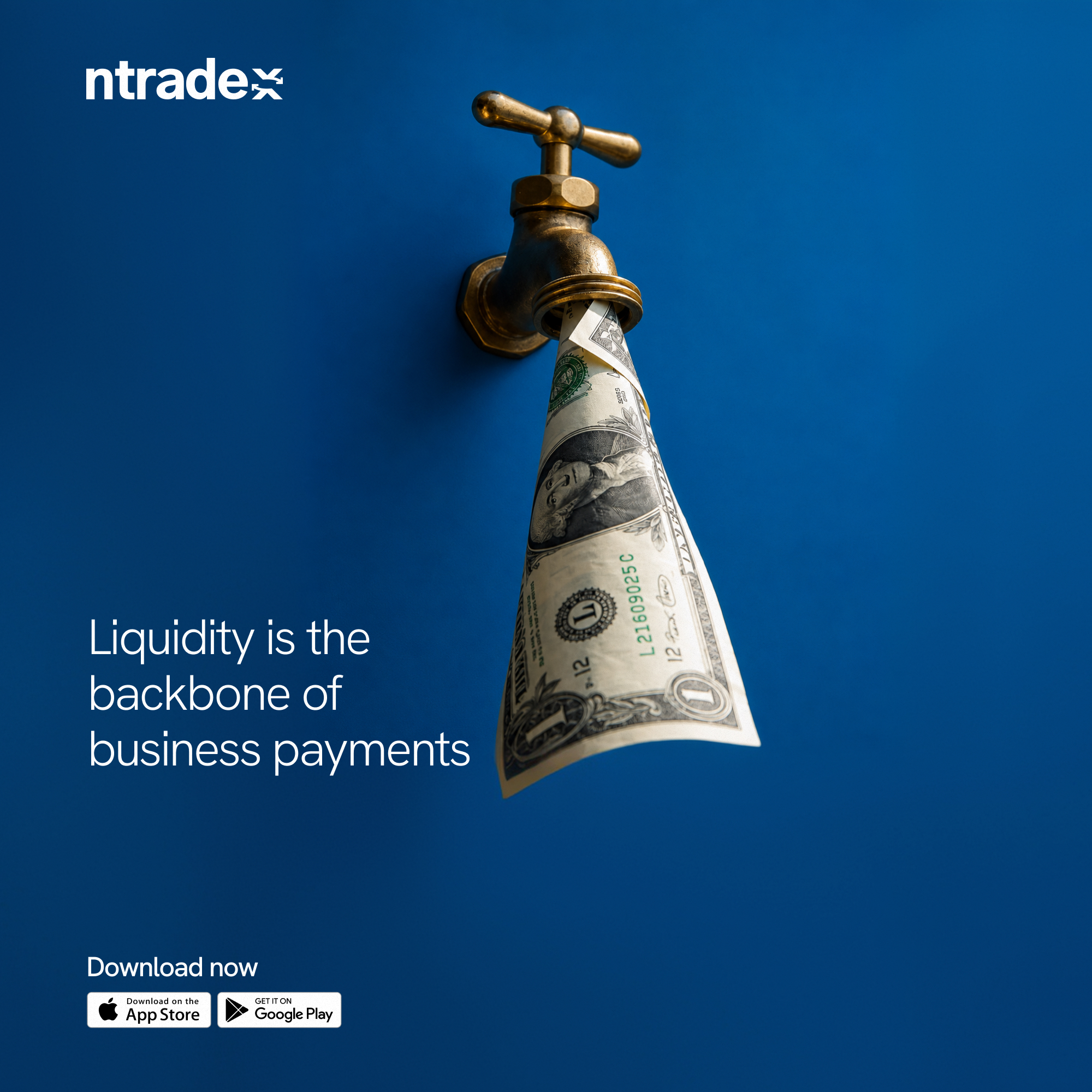
Liquidity Is the Backbone of Business Payments

Most people think that sending money comes in the form of payments, especially when it is business-related. They are about making sure the right amount is available, in the right currency, at the right time.

That is where liquidity becomes important.

Liquidity is what enables businesses to pay suppliers, settle invoices, process customer transactions, and move money across borders without unnecessary delays. When liquidity is strong, payments feel smooth. When liquidity is weak, everything slows down.

For businesses dealing with international partners, liquidity can make or break a transaction. A company may have customers, demand, and supplier agreements, but if it cannot access the needed currency on time, operations can suffer.

  • Supplier payments may be delayed.
  • Settlement timelines may become uncertain.
  • Customers may lose confidence.
  • Growth opportunities may be missed

This is why businesses need payment partners that understand liquidity beyond basic transactions.

In B2B payments, speed matters. But speed depends on the availability of currency, reliable settlement channels, and a strong payment infrastructure.

At Ntradex, we understand that businesses need more than a way to move money. They need access, reliability, transparency, and confidence every time they make cross-border payments.

Because liquidity is not just a financial term.

It is the backbone that keeps business payments moving.

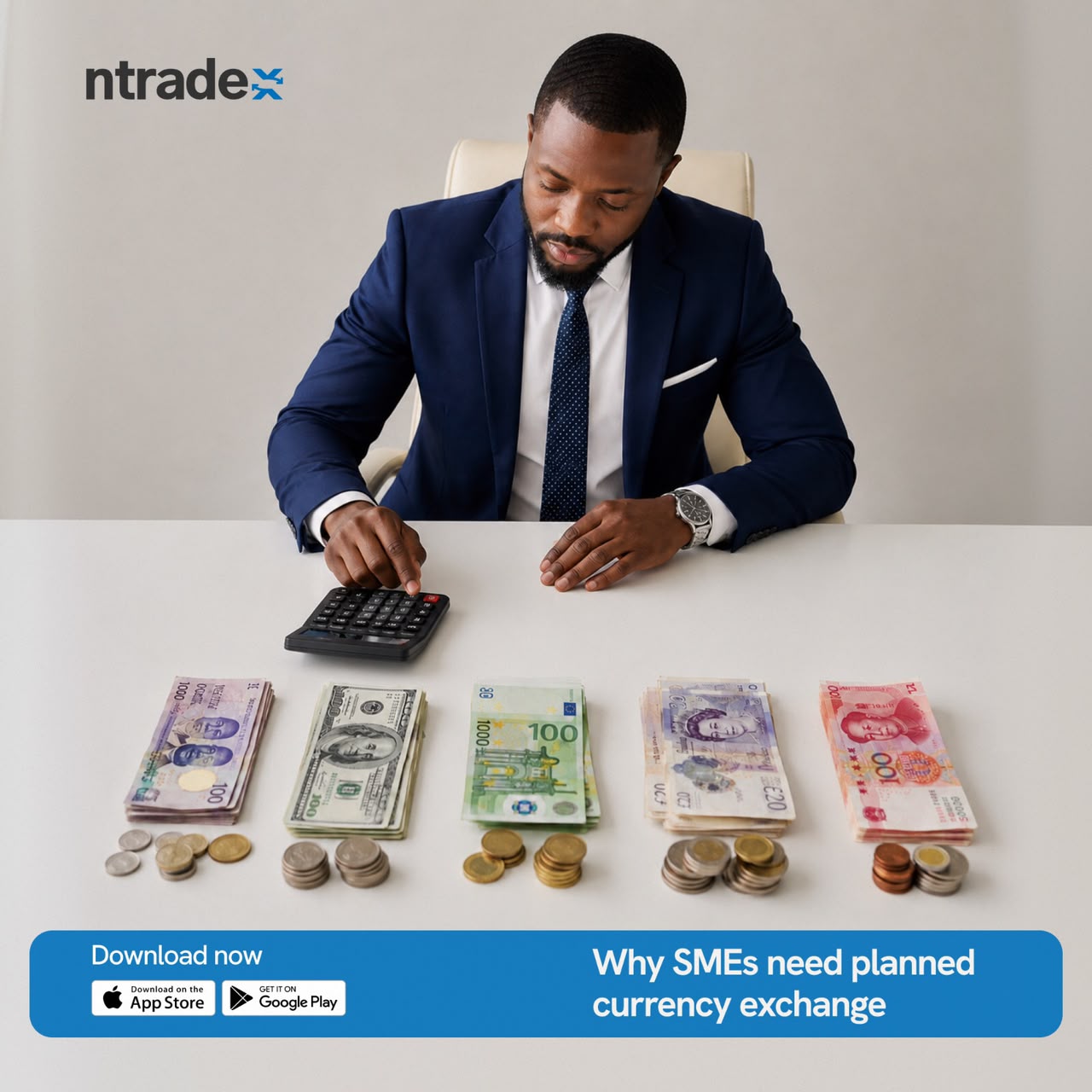
Why SMEs Need Planned Currency Exchange

For many SMEs, currency exchange only becomes important when it is time to pay a supplier, settle an invoice, or complete an international transaction.

But by then, it may already be too late.

Businesses that wait until the last minute often face changing rates, delayed settlements, limited currency availability, and unnecessary pressure from suppliers. In cross-border trade, these small issues can quickly become big business problems.

Planned currency exchange helps SMEs stay ahead.

When a business understands its currency needs early, it can better plan supplier payments, protect cash flow, reduce uncertainty, and avoid last-minute decisions that affect profit margins.

For example, an SME importing goods from another country needs more than a good exchange rate. It needs to know when the payment will settle, what charges may apply, whether the required currency is available, and how quickly the supplier will receive the funds.

That level of planning builds confidence.

It also protects supplier relationships. When suppliers receive payments on time, trust grows. And when trust grows, businesses can negotiate better, restock faster, and operate with fewer disruptions.

At Ntradex, we believe currency exchange should not slow businesses down. It should help them move with clarity, speed, and confidence.

That is why SMEs need planned currency exchange.

Because smart businesses do not just move money.

They plan how money moves.

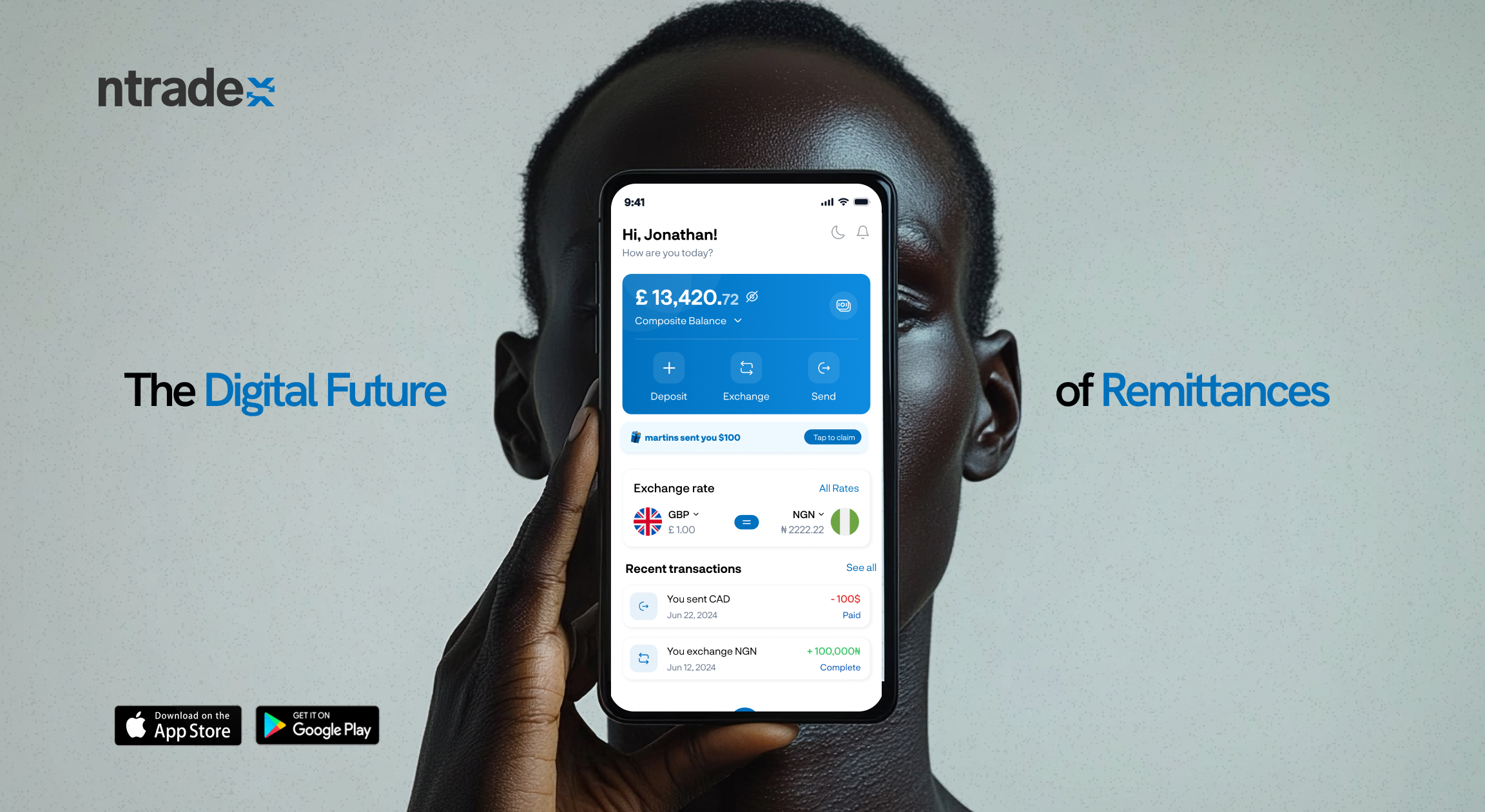
The Digital Future of Remittances: Faster, Smarter, and More Accessible

Sending money across borders has always been essential for global families, international workers, and fast-growing businesses. But in the past, remittances were slow, expensive, and often unreliable. Long queues, high fees, and waiting days for transfers to clear were the norm. Today, however, the remittance industry is undergoing a major digital transformation — and it’s reshaping how the world moves money.

The rise of digital platforms like Ntradex is breaking down old barriers and introducing a future where transfers are faster, cheaper, and more secure than ever before. Here’s a closer look at what the digital future of remittances looks like — and why it matters.


1. Speed Is Becoming the Standard

With traditional banks, international transfers often take between 2–7 business days. As digital technology improves, these long waiting times are disappearing. Instant or near-instant transfers are becoming the expectation, not the exception.

Digital remittance platforms use real-time payment rails, automated verification, and faster compliance checks to move money quickly and efficiently. This shift makes global transfers more reliable and predictable for users who depend on timely payments.


2. Lower Costs Through Innovation

High fees have always been a major challenge in global remittances. Traditional operators charge heavy markups on exchange rates and service fees. Digital platforms are changing this by automating key processes and removing the need for physical branches.

As a result, users enjoy:

  • Lower transaction fees

  • Better exchange rates

  • Transparent pricing

Platforms like Ntradex ensure that users keep more of their hard-earned money.


3. Stronger Security Powered by Technology

Security is critical in cross-border transfers — and technology is raising the bar. The future of remittances relies heavily on advanced tools such as:

  • AI-driven fraud detection

  • Biometric identity verification

  • End-to-end encryption

  • Real-time monitoring systems

These innovations protect users from scams, errors, and unauthorized access, giving them confidence with every transaction.


4. Multi-Currency Wallets Are the New Advantage

Another major trend shaping the future is the rise of multi-currency wallets. These digital wallets allow users to hold, exchange, and send different currencies with ease.

This flexibility empowers:

  • Remote workers paid in foreign currencies

  • Freelancers working with international clients

  • Families receiving money from abroad

  • Travelers who want to store multiple currencies

Ntradex’s multi-currency wallet gives users full control, helping them save money and manage their finances more effectively.


5. Mobile-First Transfers Are Taking Over

With smartphones becoming universal, remittances are shifting to mobile. Over 70% of global users now send money using apps instead of physical locations. Mobile-first platforms offer convenience, security, real-time rate alerts, and 24/7 support — all in one place.


6. Greater Financial Inclusion

Digital remittances play a huge role in expanding financial access. Billions of people who lack traditional banking can now receive money securely through digital wallets and mobile systems. This empowers underserved communities and strengthens local economies.


The Road Ahead

The future of remittances is clear: faster, smarter, safer, and fully digital. Innovations in AI, mobile technology, instant payments, and multi-currency tools are transforming the industry and creating better experiences for users worldwide.

As platforms like Ntradex continue to innovate, global money transfers will keep becoming more accessible — connecting people, supporting families, and powering businesses across borders.


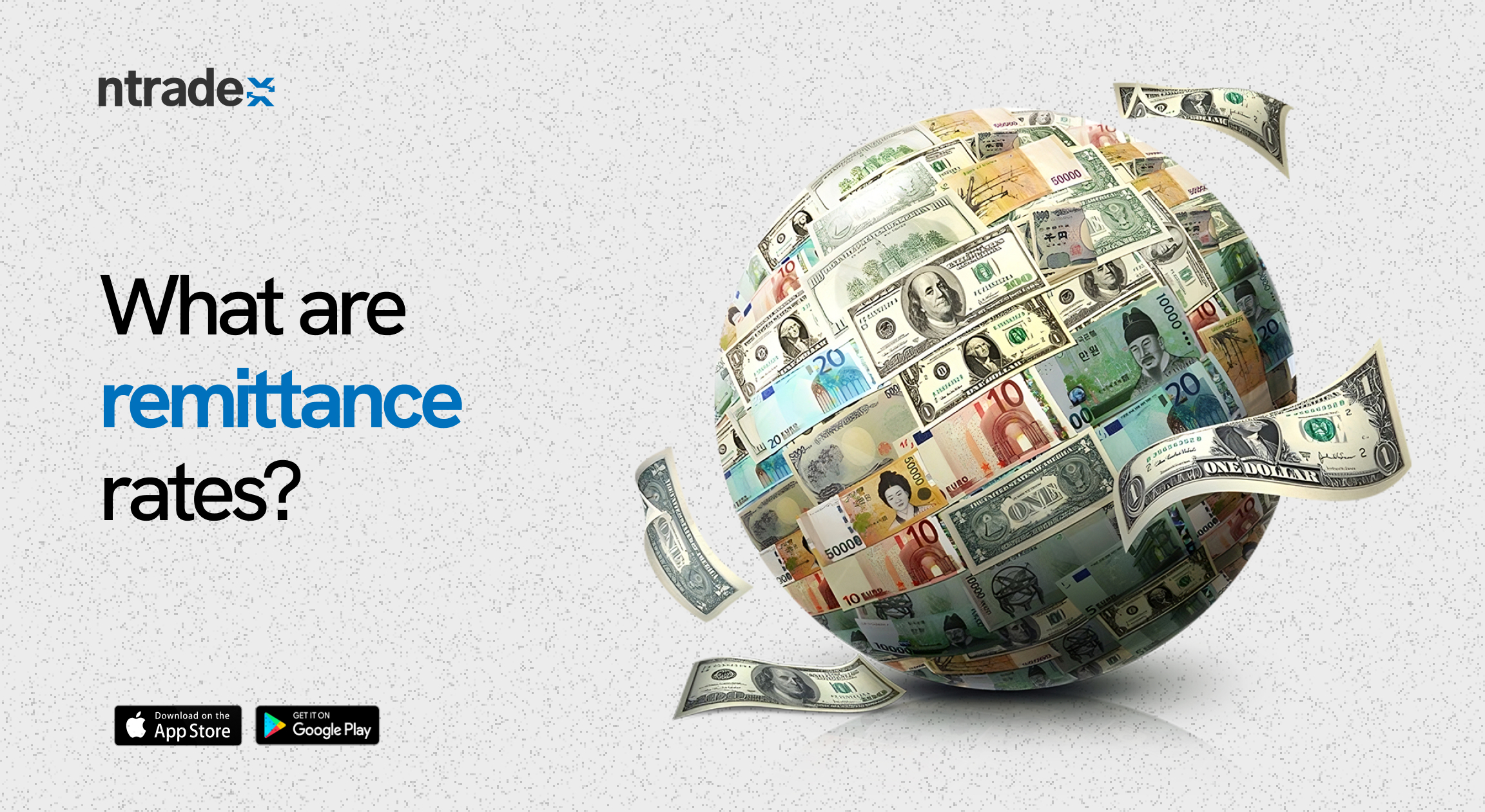
What Are Remittance Rates?

Remittance rates refer to the costs and exchange rates involved when sending money from one country to another, typically by migrant workers to support their families back home. Every year, millions of people worldwide send billions of dollars in remittances, making them a vital part of the global economy—especially for developing countries. However, the amount of money that actually reaches the recipient depends heavily on the remittance rate charged by service providers.

In simple terms, remittance rates determine the cost of transferring money internationally. These rates are made up of two main components: transaction fees and exchange rate margins. Transaction fees are the upfront costs charged by banks, money transfer operators (like Western Union or MoneyGram), or digital platforms (such as Wise or Remitly) for processing the transfer. Exchange rate margins, on the other hand, are the hidden costs included in the conversion rate from one currency to another. While a provider may advertise “zero fees,” they often adjust the exchange rate slightly in their favor, which can significantly affect the amount received.

For example, if a worker in the United States sends $100 to Nigeria, and the exchange rate offered by the remittance company is ₦1,500 to $1, the recipient would get ₦150,000. But if the actual market rate is ₦1,550 to $1, the sender is effectively losing ₦5,000 due to the exchange rate margin. This is how small rate differences can have a big impact, especially for families who depend on remittances as their main source of income.


Factors That Affect Remittance Rates
Several factors influence remittance rates. These include the transfer method, destination country, regulatory environment, and competition among providers. Digital transfers are generally cheaper than cash-based or in-person transactions, as they require less infrastructure. Transfers to remote or conflict-affected countries often cost more due to limited financial systems or stricter regulations. Additionally, markets with multiple remittance service providers tend to have lower rates because competition drives down prices.


Global Trends in Remittance Costs
The World Bank regularly tracks global remittance costs through its “Remittance Prices Worldwide” database. According to its reports, the global average cost of sending $200 was around 6% in recent years, meaning that for every $200 sent, about $12 is lost to fees and exchange rate differences. The United Nations’ Sustainable Development Goals aim to reduce this figure to 3% or less by 2030, as high remittance costs disproportionately affect low-income families.


The Rise of Digital and Mobile Remittances
Technology is playing a major role in lowering remittance rates. Fintech platforms and mobile money services have revolutionized how people send funds across borders. They offer faster, more transparent, and cheaper alternatives compared to traditional banks. For instance, digital services like PayPal’s Xoom, Wise, and WorldRemit often display the real exchange rate and total cost upfront, allowing users to make informed decisions.


Conclusion
In essence, remittance rates represent the price of the connection between families separated by borders. Understanding how these rates work helps senders make smarter financial choices and ensures that more money reaches those who need it most. As technology continues to evolve and global competition grows, remittance costs are expected to keep declining—making it easier for people around the world to support their loved ones back home.

Understanding Transaction Limits

Convenience and speed have become key in today’s digital financial age. Whether you’re transferring funds online, exchanging currencies, or sending money abroad, you’ll likely come across something called a transaction limit. These limits play a crucial role in protecting users, maintaining compliance, and ensuring that financial systems operate securely. But what exactly are transaction limits, and why do they matter?


What Are Transaction Limits?

A transaction limit is a cap set by a financial institution, payment service, or platform that defines the maximum amount of money you can send, receive, or withdraw in a given transaction or period. These limits can apply to a single transaction, daily total, or monthly aggregate.

For instance, your bank might allow up to $10,000 per day in online transfers, while a money transfer app might cap international remittances at £5,000 per transaction. Limits can vary depending on several factors — including the service type, user verification level, regulatory requirements, and risk profile.


Why Do Transaction Limits Exist?

Transaction limits aren’t meant to restrict users arbitrarily — they serve important purposes:

  1. Fraud Prevention
    Limits help protect against unauthorized access or large-scale fraud. If a hacker gains access to your account, a cap prevents massive fund withdrawals in a single attempt.

  2. Regulatory Compliance
    Financial regulators around the world require institutions to monitor and control the movement of money to prevent money laundering, terrorist financing, and other illicit activities. Transaction limits are part of the Know Your Customer (KYC) and Anti-Money Laundering (AML) frameworks.

  3. Operational Efficiency
    Limits ensure that payment systems aren’t overwhelmed by unusually large transactions, which could affect processing speeds and system stability.

  4. User Protection
    They provide a buffer for users new to financial apps or cross-border transfers, reducing the impact of potential errors or misdirected funds.


Types of Transaction Limits

Transaction limits can vary widely, but most platforms define them across three main categories:

  • Per Transaction Limit: The maximum amount that can be transferred in one go.

  • Daily Limit: The total value of all transactions you can perform in 24 hours.

  • Monthly Limit: The cumulative cap for transactions within a month.

Some services also apply tiered limits — where verified users can access higher thresholds after completing identity checks or account upgrades.


How Transaction Limits Affect International Transfers

In global remittance and currency exchange platforms, transaction limits help manage risk across multiple jurisdictions. They ensure compliance with foreign exchange laws, cross-border reporting, and customer due diligence standards.

For users, understanding these limits helps in planning larger transfers strategically — such as splitting them across multiple days or upgrading verification levels to unlock higher limits.


Transaction limits are an essential part of modern financial systems — balancing convenience with compliance, and speed with safety.

Understanding how they work helps you make smarter financial decisions, avoid delays, and stay within regulatory boundaries. Whether you’re sending money across town or across continents, knowing your limits ensures your transactions stay smooth, secure, and stress-free.